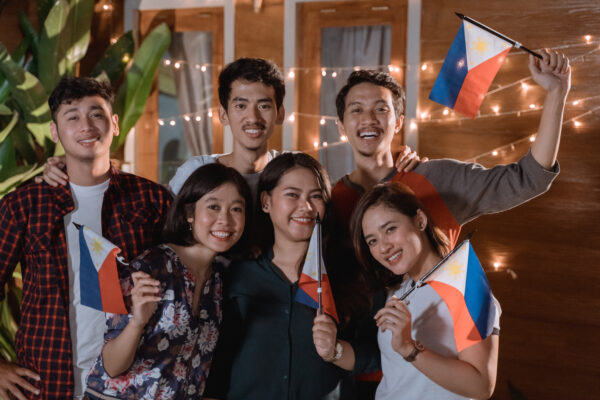
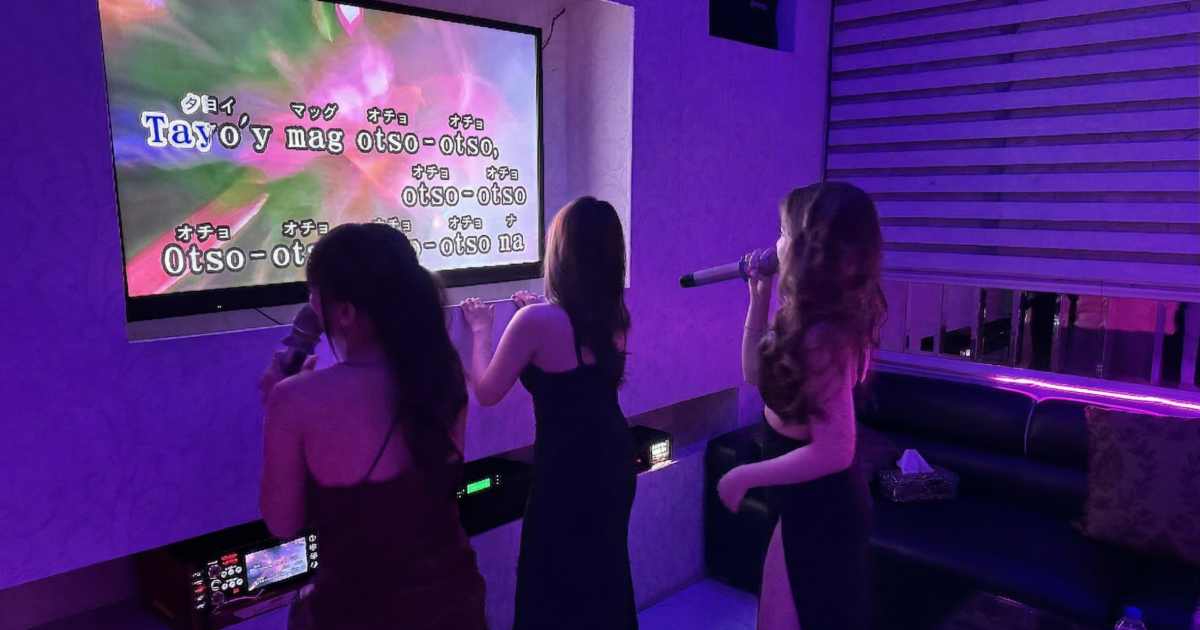
When visiting a KTV in the Philippines, many people hit a wall: “What on earth should I sing?”
In this article, a seasoned veteran of the local nightlife scene presents 50 strictly selected famous Japanese songs that are guaranteed hits at local KTVs. Use this setlist as your weapon to enjoy the Philippine nightlife to the absolute limit.
Why Do Local Girls Know Old Japanese Songs? The Deep Connection with Nightlife Culture

While hanging out at a KTV in the Philippines, you might be surprised to hear a young girl in her early 20s perfectly belting out Showa and Heisei era classics like “Lonely Chaplin” or “Akai Sweet Pea.”
You might wonder, “How do they know such old Japanese songs?” The answer lies in the deep history and cultural exchange woven between the nightlife industries of Japan and the Philippines. Understanding this background will add a whole new layer of depth to your KTV experience.
The History of Entertainment Visas
The biggest reason dates back to Japan’s immigration policies from the 1980s to the early 2000s. During this time, nearly 80,000 women traveled from the Philippines to Japan annually on “Entertainer Visas” as singers and dancers. To succeed, they intensively studied Showa-era hits and 90s J-POP that appealed to the Japanese clientele of that era.
The 2005 Shift and the “Import of Expertise”
In 2005, following international pressure regarding human trafficking, the Japanese government tightened the screening for entertainer visas. This led to a drastic drop in the number of Filipinas traveling to Japan. Many of these talented women who returned home started working at local KTVs in Manila (Malate, Makati) and Angeles, eventually becoming “Mamasans” (Managers).
The KTV Business Structure and “Karaoke Training”
Today’s Japanese-style KTVs in the Philippines are managed by these experienced Mamasans who learned the ropes in Japan. Since the primary targets are expatriates and tourists, Mamasans teach new recruits (girls in their 20s) “gold standard songs” to please Japanese guests. In fact, many KTVs hold dedicated practice sessions before opening where the girls rehearse Japanese karaoke together.
The Role of Long-term Expats
Furthermore, veteran expatriates and frequent visitors who have frequented the Philippines for years often request their favorite songs, teaching them to the girls step-by-step.
Even if they don’t fully understand the Japanese lyrics, the girls work hard to memorize the melody and pronunciation by ear. It is a common sight in the dressing rooms to see them practicing with Romanized lyrics on their smartphones. Behind this is their genuine effort to “make the guest happy” and support their families through Requests and GRO tips.
Behind the sight of a girl singing in faltering Japanese is a history of hard work and respect for the culture. When they sing a Japanese song for you, please show your appreciation with enthusiastic applause and a big smile. Your kindness is the best way to win her heart.
【Men’s Edition】 18 Power Songs to Hype Up the Room!
Once you’re settled at the KTV and the drinks have started flowing, your choice of song defines your “rating” for the night. Here are 18 selected songs that will impress both the local girls and your companions.
Voltes V no Uta (Mitsuko Horie) | The Legendary Anime Song Everyone Knows
You cannot talk about Philippine KTV without this song. It is a legendary track from a national-level anime that has even seen a local live-action remake. Almost every Filipino, regardless of age, knows this song.
Sekai ga Owaru Made wa… (WANDS) | A Masculine Anime Classic
This is the ending theme for “Slam Dunk,” an anime with a cult following in the Philippines. Its beautiful melody and masculine vocals resonate deeply with the local crowd.
Kimi ga Suki da to Sakabitai (BAAD) | High-Energy Slam Dunk Anthem
Another Slam Dunk theme, this one is more up-tempo and refreshing. Thanks to the success of the recent movie, it has found a new flame among the younger generation of Filipinas.
Saigo no Ame (Yasushi Nakanishi) | The Ultimate Tear-Jerker Ballad
Filipinos generally love emotional, “heart-wrenching” melodies. This melancholy 90s ballad is a staple that has been passed down through generations in the KTV scene.
Single Bed (Sharan Q) | Melancholy That Captivates
Similar to “Saigo no Ame,” this 90s hit sings of male regret and nostalgia. The melodious flow characteristic of J-POP from this era touches the hearts of the musically-inclined Filipinos.
Joshu (KinKi Kids) | Watch the Synchronized Dance Begin!
This is a “secret” classic. As soon as the intro plays, the girls often stand up and perform a perfectly synchronized dance. It’s a guaranteed way to kick off a “Showtime” vibe.
Kanpai (Tsuyoshi Nagabuchi) | The Ultimate Drinking Anthem
While a wedding ballad in Japan, in Philippine KTV, it transforms into a high-energy party song. The legendary Filipino star April Boy Regino covered this in Tagalog as “Tanging Sa’yo,” making it a massive local hit.
TSUNAMI (Southern All Stars) | A Classic, Sophisticated Ballad
This national ballad is loved across the seas for its beautiful melody. Its slow, wave-like rhythm is perfect for a relaxed atmosphere with drinks.
Itoshi no Ellie (Southern All Stars) | The Tagalog Connection
This song is a massive hit because the legendary local duo “April Boys” covered it in Tagalog as “Honey My Love (So Sweet).” Even if you sing it in Japanese, the girls will recognize it instantly.
I LOVE YOU (Yutaka Ozaki) | An Ageless Song of Love
An immortal masterpiece covered throughout Asia. During the humming parts, it’s a local KTV tradition for the girls to shout “U-so-tsu-ki! (Liar!)” as a playful call-and-response.
Himawari no Yakusoku (Motohiro Hata) | High Recognition via Doraemon
“Doraemon” is incredibly popular in the Philippines. Because of this, many girls are familiar with this movie theme song.
Hanataba no Kawari ni Melody wo (Shota Shimizu) | The Smooth, Romantic Choice
For Filipinos who love R&B and soulful vocals, Shota Shimizu’s style is a bullseye. Men who can pull this off are often highly regarded by the girls.
HANABI (Mr.Children) | A Heisei Era Masterpiece
During the famous “Mou ikkai, mou ikkai♪” chorus, girls often join in with the Tagalog “Isa pa! (One more!)”—a classic KTV hype-up move.
Hanashitaku wa Nai (T-BOLAN) | 90s Masculinity at Its Best
A representative 90s rock ballad. Late at night when the drinks are heavy, there is a local “custom” where the girls shout “Everyday SEX! Everynight SEX!” in sync with the chorus lyrics “Everyday Everynight.” It’s all part of the nightlife fun.
Wherever You Are (ONE OK ROCK) | A Modern Anthem Everyone Knows
Despite being a newer song with lots of English, most KTV girls can sing this perfectly. If you start this one, the girl next to you will likely grab a mic and join in for a beautiful duet.
Choo Choo Train (EXILE / ZOO) | Unite the Floor with the Signature Dance
When you’re tired of sitting, this is the song. Get the girls up and do the famous “circle dance” during the intro. Filipinos are some of the most cheerful people in the world; once this starts, the whole place turns into a party.
Rainy Blue (Hideaki Tokunaga) | A Sophisticated Late-Night Choice
Perfect for the end of the night when the mood is calm. The clear, sorrowful melody resonates deeply even if they don’t understand every word.
Suirenka (Shonan no Kaze) | The Ultimate Summer Festival Song
This song matches the bright, tropical energy of the Philippines perfectly. The reggae-infused rhythm instantly raises the room temperature. During the chorus, grab a towel or a napkin and swing it over your head—the girls will surely follow. You don’t need to sing well; just go wild and have fun. That is the secret to 120% KTV enjoyment.
【Women’s Edition】 16 Must-Know Songs to Request for the Girls
The secret to being a popular guest isn’t just singing yourself—it’s making the girls the stars of the show by requesting songs they excel at.
First Love (Hikaru Utada) | The #1 Japanese Song Loved by Filipinas
This is arguably the most popular Japanese song among Filipinas. A local superstar covered it in English, making the melody famous nationwide. Hikaru Utada’s R&B style fits the local vocal preference perfectly.
Ito (Miyuki Nakajima) | The “Hand-Holding” Tradition
A classic in Japan, but in the KTV scene, it’s the go-to song for creating a romantic “hand-holding” moment with your partner for the night.
Hanamizuki (Yo Hitoto) | The Mandatory Training Song
This is often considered a “required” song for KTV girls because Mamasans know it pleases Japanese guests. The slow tempo makes it easy for them to pronounce the Japanese lyrics clearly.
Mirai e (Kiroro) | Touching the Family-Oriented Hearts
The artist name “Kiroro” is very famous among Filipinas. Covered widely across Southeast Asia, the theme of “gratitude toward mothers” resonates deeply with the family-centric Philippine culture.
Yuki no Hana (Mika Nakashima) | A Beautiful, Global Ballad
Covered globally, this is the ultimate ballad for any aspiring “diva” in the Asian KTV market. Its hauntingly beautiful melody is deeply loved in the Philippines.
M (Princess Princess) | A Tale of Heartbreak
Veteran guests have been teaching this song to local girls for decades. It is a piece of living history within the KTV culture.
Mikazuki (Ayaka) | For the Powerful Vocalists
Filipinos deeply respect singers who can belt out high notes. Ayaka’s songs allow talented girls to showcase their vocal range, so many of them practice this specifically.
Aitakute Ima (MISIA) | The Ultimate Test of Skill
In the Philippines, this is the “final boss” song for girls who want to show off their singing prowess. The powerful belting required for the chorus is a perfect match for the local vocal style.
Nada Soso (Rimi Natsukawa) | A Soothing, Familiar Melody
Widely covered in various Asian languages, its slow tempo and simple Japanese phrasing make it one of the easiest songs for beginners to sing beautifully.
Story (AI) | The “Mandatory Subject”
Filipinos have a natural affinity for soulful, gospel-like vocals, making AI’s music very relatable. It’s safe to say every single KTV girl knows how to sing this song.
Koi ni Ochite -Fall in Love- (Akiko Kobayashi) | Perfect with English Lyrics
Since the chorus is entirely in English, it’s a favorite for girls to showcase their bilingual skills while catering to the nostalgic tastes of guests.
Love Is Over (Aurelio Fei-Fei)
The gold standard for “sad ballads” sung by foreign artists in Japan. From the Mamasans to the young girls, it’s a classic used to demonstrate pure vocal emotion.
GLAMOROUS SKY (Mika Nakashima) | A Cool, Upbeat Rock Tune
Among younger girls who like Japanese subculture (manga/movies like NANA), this rock track is very popular and brings a great energy to the room.
Akai Sweet Pea (Seiko Matsuda) | The Ultimate “Charming” Song
A historical staple. Girls are often taught that “if you sing this cutely, Japanese men will be happy (and give tips).” Even 20-year-olds can often sing this one perfectly.
Koisuru Fortune Cookie (AKB48) | The Local Sister Group Influence
With “MNL48” based in the Philippines, AKB48’s fame is high. This is the ultimate dance track where the whole floor might join in for the “Onigiri Dance.”
Nagori Yuki (Iruka) | The “Second National Anthem”
Almost no KTV girl is unfamiliar with this intro. The reason is that the Philippine superstar Jolina Magdangal covered it in Tagalog as “Sana,” making it a massive local hit.
【Duet Edition】 Close the Distance with These 2 Classics
The highlight of KTV is the duet. Sharing a mic and a screen instantly turns a “party vibe” into a more intimate “one-on-one vibe.”
Lonely Chaplin (Kiyomi Suzuki with Rats & Star) | The Absolute King of Duets
For decades, this has been the first duet song girls are taught to learn. The moment that saxophone intro hits, the girls will likely gravitate toward you with a mic. It’s the ultimate way to set a mature, sophisticated mood.
WON’T BE LONG (EXILE & Kumi Koda) | The Ultimate Party Ignition
When the ballads have gone on too long and the energy is dipping, this is your reset button. Thanks to the Kumi Koda cover, younger girls know the rhythm and can dance along effortlessly.
Summary | Rule the Philippine KTV with the Best Setlist
We’ve covered 50 famous Japanese songs that are guaranteed hits in Philippine KTVs.
Don’t worry if your Tagalog or English isn’t fluent. With these melodies and a positive attitude, you can close the distance in an instant.
Bookmark this list on your smartphone as your “dictionary” for your next night out. With the right setlist, you’re ready to fully enjoy the legendary nightlife of the Philippines.